CRA scope is product-specific. The Regulation can cover software, hardware, separately marketed components and qualifying remote data processing solutions, but teams also need to assess the market route, data connection, commercial activity, exclusions and transitional rules before concluding that a particular product is covered.
These questions organise review. They do not determine applicability on their own.
Start With the CRA Definition of a Product With Digital Elements
Article 3 defines a product with digital elements as a software or hardware product and its remote data processing solutions, including software or hardware components being placed on the market separately. This definition is deliberately broader than connected consumer devices. A desktop application, operating system, network appliance, embedded controller, mobile application, software component or hardware component can potentially enter the CRA analysis. The correct starting point is therefore the marketed product and its actual functions rather than the label used by the sales or engineering team.
The Product Normally Needs a Relevant Data Connection
Article 2 connects CRA scope to the intended purpose or reasonably foreseeable use of the product. That use must include a direct or indirect logical or physical data connection to a device or network. The connection does not need to mean that the product is permanently connected to the public internet. Local network communication, device-to-device communication, wired data interfaces, indirect network interaction and other forms of logical or physical data connectivity can all require analysis. Teams should document how the product communicates during intended use and how users can reasonably be expected to deploy it.
Software Can Be a Product With Digital Elements
The CRA expressly includes software within the definition of a product with digital elements. That means software should not be dismissed from CRA scope simply because it has no physical enclosure. Commercially supplied applications, operating systems, development tools, security software, components and other software products can potentially be covered where the other scope conditions are met. Whether a particular software deployment is covered depends on how the software is supplied, what functions it performs, how it connects to devices or networks, whether it is made available in the course of a commercial activity and whether an exclusion or special rule applies.
Hardware Can Be Covered Even When Software Is Embedded Inside It
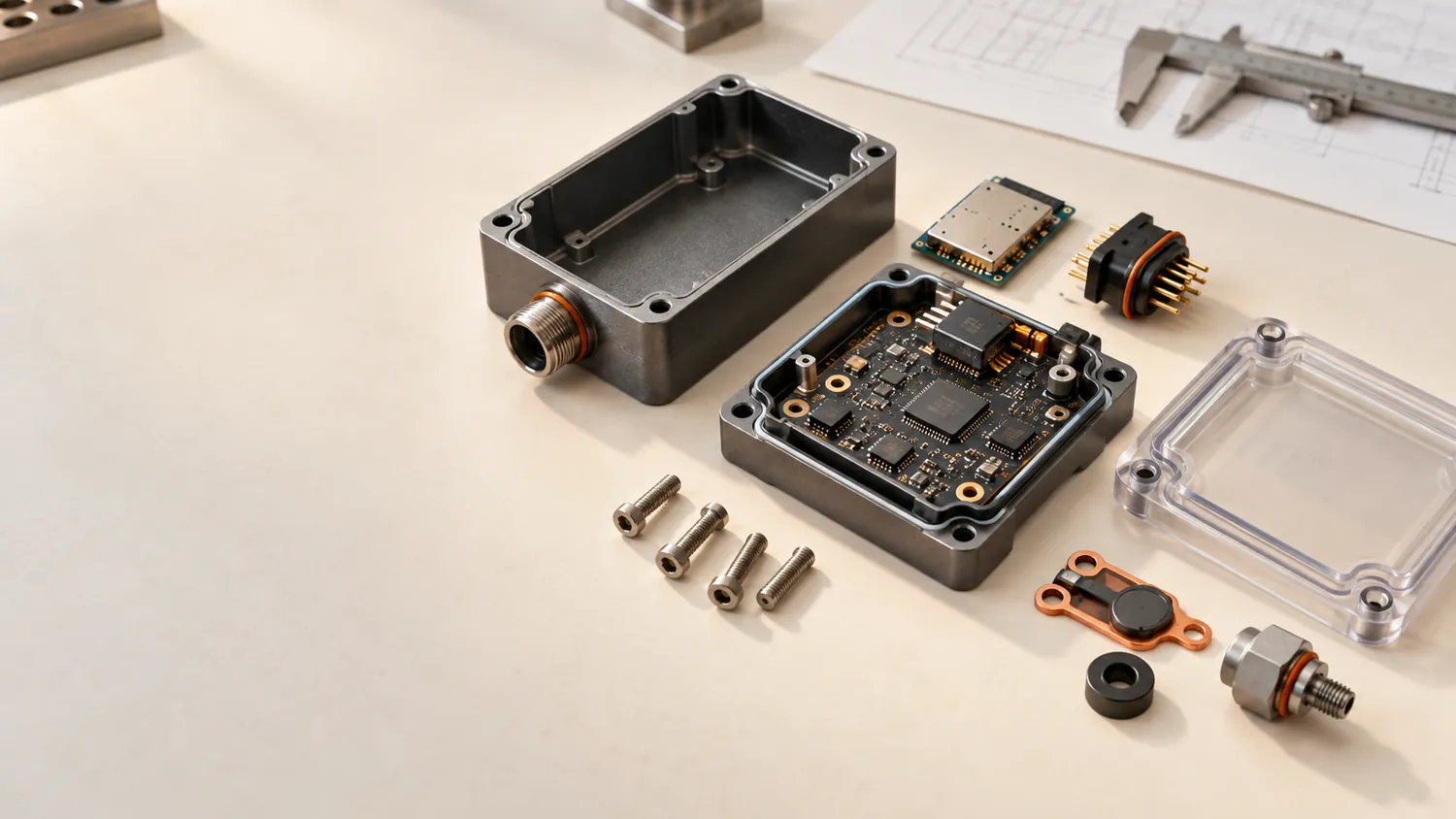
Hardware products can also fall within CRA scope. Connected consumer products, industrial products, network equipment and devices containing embedded software can all require analysis. The product boundary should include the hardware and the software necessary for its functions rather than treating firmware or embedded code as unrelated to the marketed device. Later product-classification work can determine whether a covered product falls into an important or critical category, but that classification step comes after the initial scope analysis.
Separately Marketed Components Can Have Their Own CRA Position
The definition expressly includes software or hardware components being placed on the market separately. A component therefore does not automatically sit outside the CRA merely because it is designed to become part of another product. Teams should determine whether the component itself is being made available on the Union market as a product with digital elements, who markets it, what its intended function is and how it is used within connected systems. Component status can also affect the obligations and evidence expected from manufacturers further down the supply chain.
Some Remote Functions Form Part of the Product
The CRA definition can include remote data processing solutions associated with the software or hardware product. Article 3 describes remote data processing as processing at a distance for which the software is designed and developed by the manufacturer, or under the manufacturer's responsibility, and whose absence would prevent the product from performing one of its functions. This prevents a manufacturer from treating an essential manufacturer-controlled remote function as legally unrelated to the product merely because the processing occurs in the cloud. It does not mean that every external cloud service used by a product automatically becomes part of the CRA product.
Making the Product Available on the Union Market Matters
CRA product scope is tied to products made available on the Union market. The Regulation defines making available as supplying a product with digital elements for distribution or use on the Union market in the course of a commercial activity, whether in return for payment or free of charge. Placing on the market is the first making available. These concepts matter for software because distribution does not need to involve a physical shipment. Downloads, commercial software distribution and other supply models can require market-availability analysis. Purely internal development creates a different question and is addressed separately within this cluster.
Free of Charge Does Not Automatically Mean Outside CRA Scope
The CRA definition of making available can include supply free of charge when it occurs in the course of a commercial activity. Teams should therefore avoid using price alone as the test. Free and open-source software receives specific treatment under the Regulation, including rules around commercial activity and open-source software stewards. A free download distributed as part of a commercial product strategy can require a different analysis from non-commercial community development. The dedicated open-source and free-software pages in this cluster will examine those distinctions in more detail.
Exclusions Must Be Checked Before Reaching a Final Scope Conclusion
Article 2 contains exclusions and interactions with other Union legislation. Certain categories of regulated products, national-security and defence products, specified classified-information products and certain replacement spare parts can fall outside the CRA under the conditions set by the Regulation. Sectoral legislation can also affect the analysis. A scope assessment should therefore include an explicit exclusions review rather than assuming that every connected hardware or software product is automatically covered.
Scope and Product Classification Are Different Questions
Determining that a product falls within CRA scope does not finish the analysis. The next question is how the covered product is classified. Most products remain within the general product framework, while products with core functionality matching categories in Annex III or Annex IV can be considered important or critical products with digital elements. Classification can change the available conformity assessment procedure. Teams should therefore document scope first and classification second rather than assuming that a familiar product category determines both.
A Repeatable CRA Scope Assessment
A useful CRA scope workflow records the marketed product, its software and hardware components, intended purpose, reasonably foreseeable use, data connections, necessary remote functions, manufacturer, route to the Union market and commercial context. It then checks exclusions and special rules before moving to product classification. Recording the reasoning makes later conformity, technical documentation and supply-chain work easier because engineering and legal teams are using the same product boundary.
The official texts
Wording here is a working summary. The legal text and the Commission material control the precise detail, the qualifications and any updates.